Carbs & Resistant Starch: A Smarter Way to Enjoy Potatoes
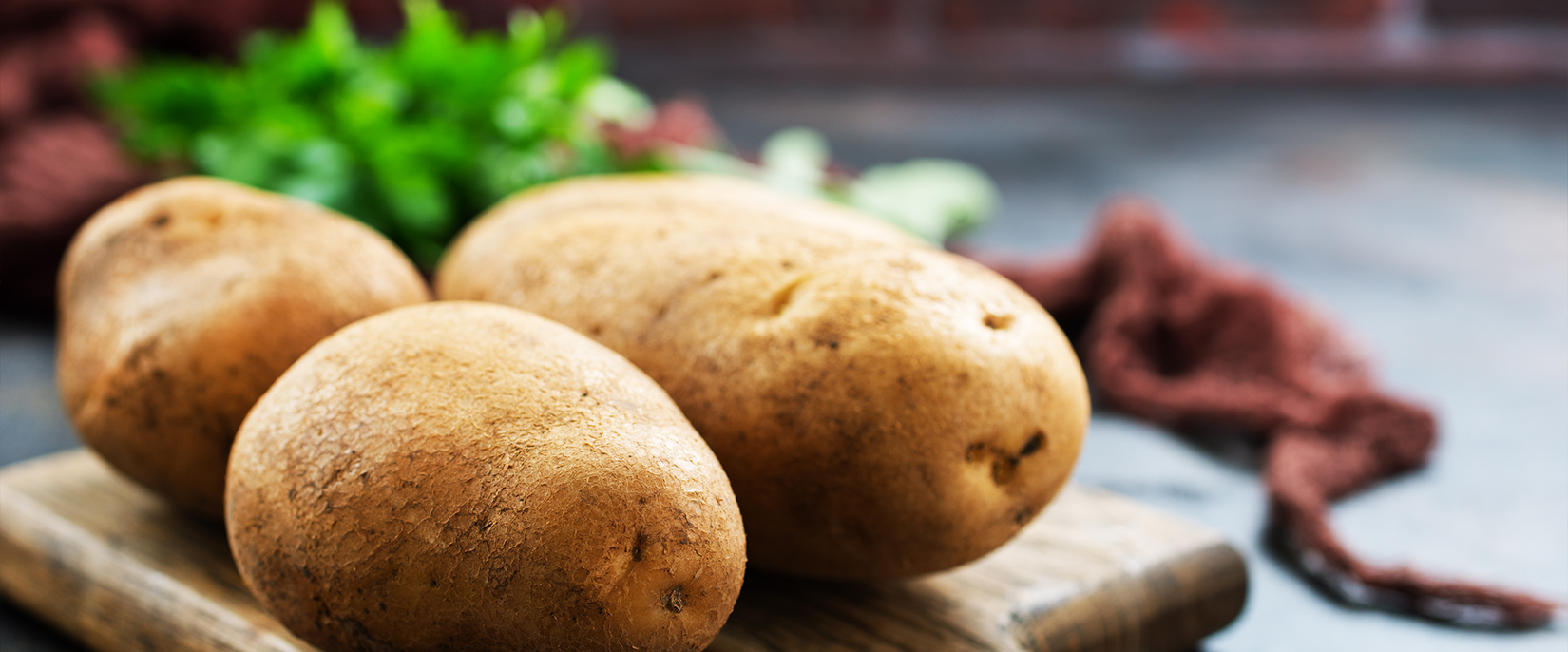
Potatoes often get labeled as just “carbs,” but the nutrition of potatoes is much more interesting than that. For people managing diabetes or watching their blood sugar, that label has seemed like a deterrent for adding healthy potatoes into their balanced diet. But the science tells a more nuanced story, one where preparation, portion, and pairing matter far more than the potato itself.
Here's what most people don't know about potatoes: when they're cooked, cooled, and then reheated, part of their starch undergoes a structural change, transforming into what's called resistant starch. Unlike regular starch, resistant starch isn't rapidly broken down in the small intestine, instead, it behaves more like dietary fiber, passing through largely intact, feeding beneficial gut bacteria, and slowing the overall rise in blood sugar after a meal.
That makes potatoes one of the more nuanced carbohydrate choices available, and exactly the kind of carb worth including in the Diabetes Plate Method – the simple visual guide from the American Diabetes Association that divides your plate into sections of non-starchy vegetables, lean protein, and carbohydrates. Fill that carb quarter with cooled or reheated potatoes, and you're not just hitting your balance, you're actively working with your body's digestive process. Resistant starch also promotes satiety, meaning you're likely to feel fuller for longer after eating cooled potatoes. For anyone managing weight or blood sugar, that's a meaningful benefit.
Beyond the starch story, potatoes offer an impressive nutritional profile that's easy to overlook when the "carbs" label dominates the conversation. A medium potato (about 150g) is naturally fat-free, gluten-free, cholesterol-free, and it delivers a meaningful dose of several key nutrients.
Bottom line: Not all carbs are created equal, and potatoes can be a healthy part of a balanced diet.
About the IPC
Established in 1937, the IPC is a state agency responsible for promoting and protecting the famous “Grown in Idaho®” seal, a federally registered certification mark that assures consumers they are purchasing genuine, top-quality Idaho® potatoes. Idaho’s growing season of warm days and cool nights, ample mountain-fed irrigation, and rich volcanic soil give Idaho potatoes their unique texture, taste, and dependable performance. These ideal growing conditions are what differentiate them from potatoes grown in other states.
You may also like
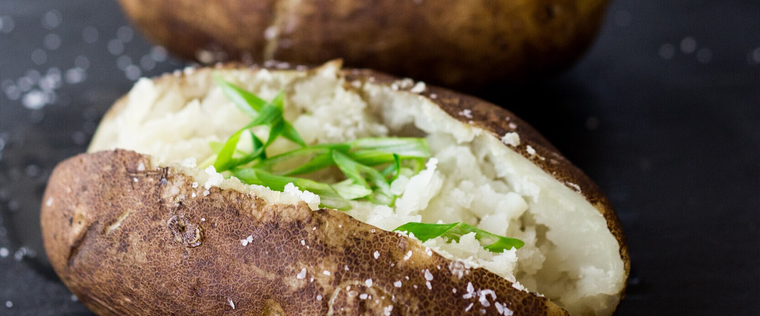
Idaho Potatoes: The Original Affordable Superfood
One of the best nutrition-per-dollar foods available and the practical family staple for uncertain economic times. Even on a budget, great meals are possible with potatoes grown in Idaho and are proof that real food doesn't have to cost a fortune.
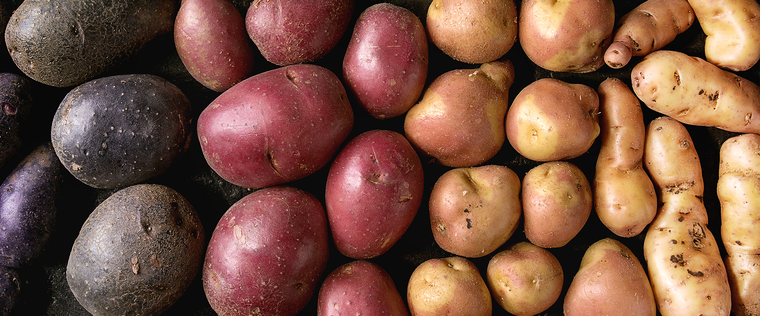
Idaho Grows More Than Just Russets
Idaho grows more than 30 different varieties of potatoes, each with its own texture, flavor, and culinary application.

What to Do If You Have an Issue with Your Potatoes
Not satisfied with your potatoes? Here's what to do