Potato Facts: Separating Truth from Myth

Idaho® potatoes have been a staple of the American table for generations. Yet despite their familiarity, few foods are surrounded by as much misinformation. From fears about green skin to debates about glycemic index, the potato has collected more than its fair share of myths. It's time to set the record straight.
Myth: A green potato is a bad potato and you should throw it out
The truth: Greening is simply a natural response to light exposure, not a sign that the potato has spoiled. When potatoes are stored in bright conditions, their skin begins producing chlorophyll along with slightly elevated levels of solanine, a naturally occurring compound that can taste bitter and cause digestive discomfort in large amounts. The fix is straightforward: cut away the green areas generously before cooking, and the rest of the potato is perfectly fine to eat. To avoid the issue altogether, store potatoes in a cool, dark place away from direct light.
Myth: The skin is just packaging, peel it and move on
The truth: When it comes to getting the most nutritional value from an Idaho® potato, the skin plays an important role. Often overlooked, the skin is a good source of dietary fiber, while also delivering potassium, B vitamins, iron, and antioxidants. Beyond its nutritional benefits, the skin adds a satisfying texture and depth of flavor – think crispy roasted potatoes or rustic mashed dishes. With a simple rinse and by removing any sprouts or green spots, the skin becomes an easy and delicious way to boost both
taste and nutrition.
Moreover, the inside of the potato is equally as nutritionally beneficial. The dense yet fluffy inside provides the majority of the potato’s vitamin C, along with additional potassium and energy-supporting carbohydrates your body relies on. Together, the skin and the interior create a balanced, nutrient-rich combination, making the whole Idaho® potato a complete package. Simply put, enjoying the entire potato ensures you’re getting the full range of benefits in every bite.
Myth: Idaho® potatoes and sweet potatoes are basically the same thing, just different colors
The truth: Both Idaho® potatoes and sweet potatoes are nutritious choices, but they offer different benefits, and one isn’t inherently “better” than the other. Idaho® potatoes are an excellent source of potassium, providing more per serving than a banana, along with a meaningful amount of vitamin C and vitamin B6. They are naturally fat-free, cholesterol-free, and provide the carbohydrates your body uses for energy.
Sweet potatoes are known for their beta-carotene content, which gives them their orange color, but that doesn’t make them nutritionally superior. When you look at the full picture, both options deliver important nutrients and can play a role in a healthy, balanced diet.
The real difference often comes down to how they’re prepared and what they’re paired with. Idaho® potatoes, in particular, offer unmatched versatility across a wide range of cooking methods and cuisines, making them an easy and nutritious choice for everyday meals.
Bottom line: It’s not about choosing one over the other, it’s about recognizing that Idaho® potatoes stand on equal nutritional ground and deserve a place at the table.
Myth: Potatoes spike your blood sugar and people with diabetes should avoid them The truth: Potatoes are often labeled as “high glycemic,” but that label doesn’t tell the full story. Glycemic response depends heavily on preparation, portion, and pairing. Boiling and cooling potatoes increases resistant starch, which slows digestion and helps create a more gradual rise in blood sugar. Pairing potatoes with protein and healthy fats further reduces glycemic impact. Because of this, the American Diabetes Association includes foods like potatoes within its Diabetes Plate Method as part of a
balanced, blood-sugar-conscious meal.
Bottom line: It’s not about avoiding potatoes, it’s about preparing them in a way that works with your body
About the IPC
Established in 1937, the IPC is a state agency responsible for promoting and protecting the famous “Grown in Idaho®” seal, a federally registered certification mark that assures consumers they are purchasing genuine, top-quality Idaho® potatoes. Idaho’s growing season of warm days and cool nights, ample mountain-fed irrigation, and rich volcanic soil give Idaho potatoes their unique texture, taste, and dependable performance. These ideal growing conditions are what differentiate them from potatoes grown in other states.
You may also like
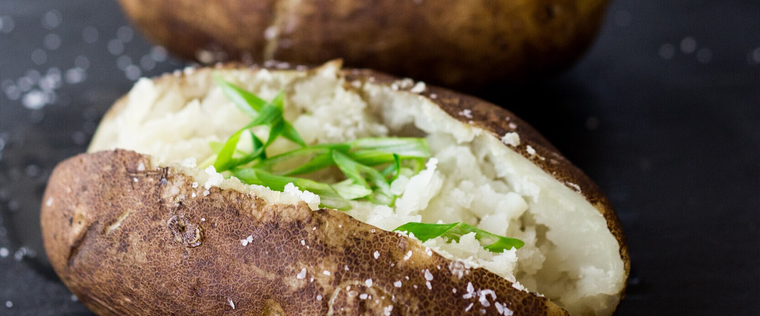
Idaho Potatoes: The Original Affordable Superfood
One of the best nutrition-per-dollar foods available and the practical family staple for uncertain economic times. Even on a budget, great meals are possible with potatoes grown in Idaho and are proof that real food doesn't have to cost a fortune.
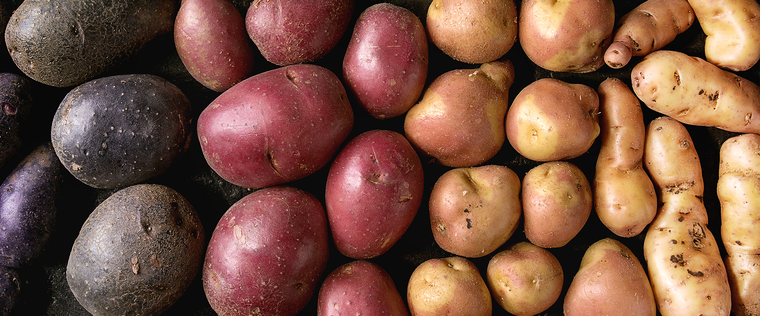
Idaho Grows More Than Just Russets
Idaho grows more than 30 different varieties of potatoes, each with its own texture, flavor, and culinary application.

What to Do If You Have an Issue with Your Potatoes
Not satisfied with your potatoes? Here's what to do